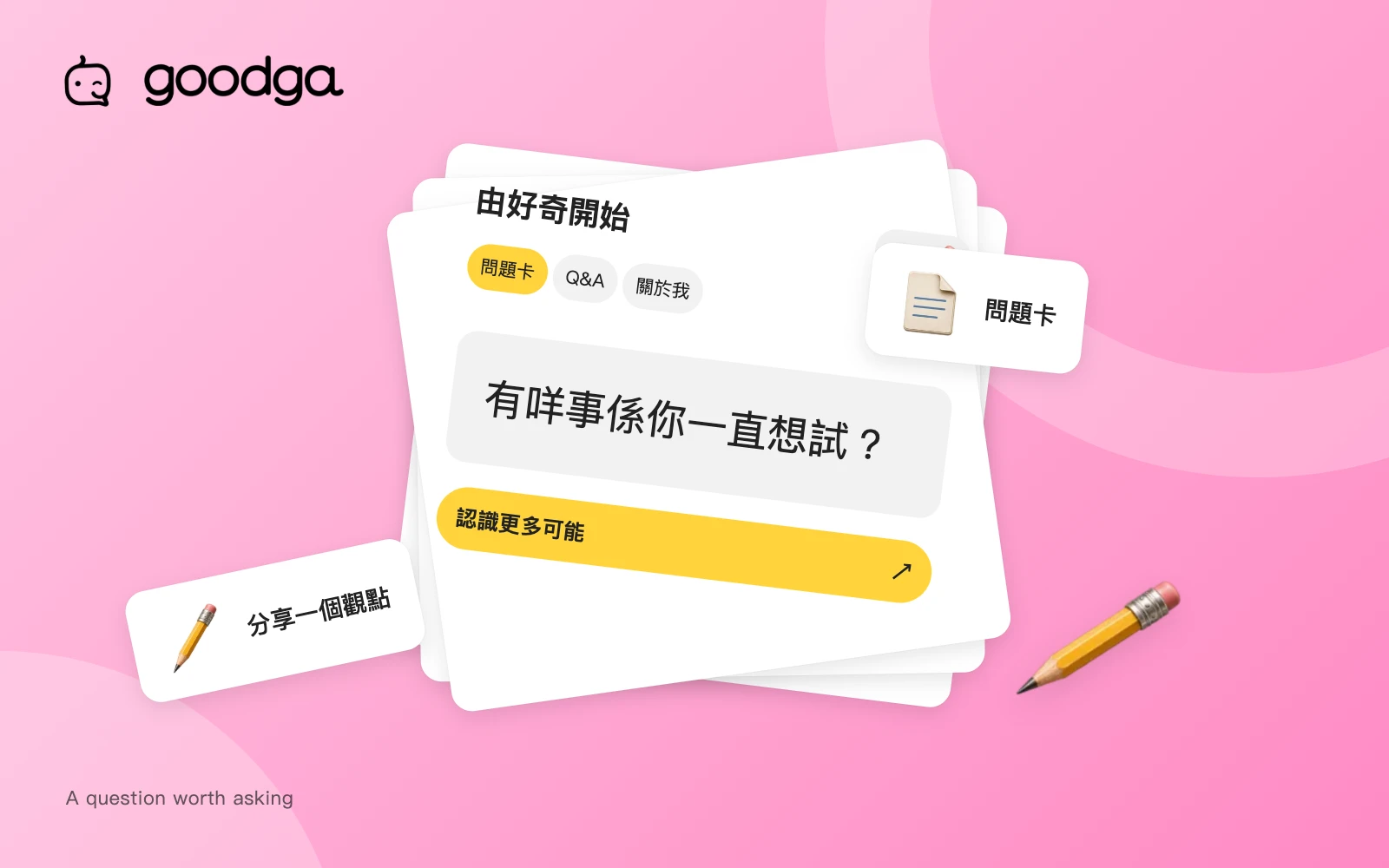
An introduction can tell people what you like without showing how you think. A question card offers a different starting point: one prompt and one answer can reveal a perspective and give someone a natural reason to begin a conversation.
Choose a question you are comfortable answering publicly
A question does not become more meaningful simply by being more personal. Start with something you have learned, an activity you enjoy or a subject you want to understand. One considered answer is more useful than filling every available prompt.
Sensitive prompts are not used in Explore or matching. That does not mean every answer is visible only to you. Check the publishing context before posting, and do not confuse discovery restrictions with private storage.
Make one point and add a concrete detail
Answer the question directly, then explain a reason or an experience you are willing to share. There is no need to embellish a story to sound interesting, or to present someone else's experience as your own.
- Describe what you actually know or think.
- Remove identifying private details when another person is involved.
- Leave a prompt unanswered when you have nothing you want to publish.
Follow up without turning it into an interview
After reading an answer, you might ask how the person started, which step was difficult or whether their view has changed. Ask one thing at a time and allow space for a response.
Avoid a rapid sequence of questions. A single answer is not a permanent definition of someone's identity or beliefs. People can change their minds, and they decide how much further they want to explain.
Review answers as your interests change
Update or remove an answer that no longer represents you. Question cards and Q&A can serve different purposes: cards can express a perspective, while Q&A can address things visitors commonly want to know. They do not need to repeat the same information.
Take the next step
Manage question cards in My content, then check the public preview. You can also read published answers in question discovery. Linked platform screens currently use Traditional Chinese.
Prepared by goodga using the platform’s current features, with practical editorial guidance.